Unanswered questions follow army’s admission of a fatal incident
The Malian army’s terse acknowledgment of a “tragic incident” involving civilian casualties has intensified scrutiny over military operations across central Mali. Published on October 14, 2026, the statement confirmed human losses but offered no details on location, timing, or victim identification, leaving communities reeling from unaddressed grief.
Silent on critical facts: where, when, and how many
In a brief military communiqué, the General Staff mentioned “losses of human life and injuries” during an unspecified operation, describing victims as travelers on high-powered motorcycles between two localities. Yet the army provided no clarity on whether those affected were civilians, how many fatalities occurred, or what triggered the violence. The lack of specifics has deepened public distrust in official narratives.
Zanakoro emerges as a flashpoint of controversy
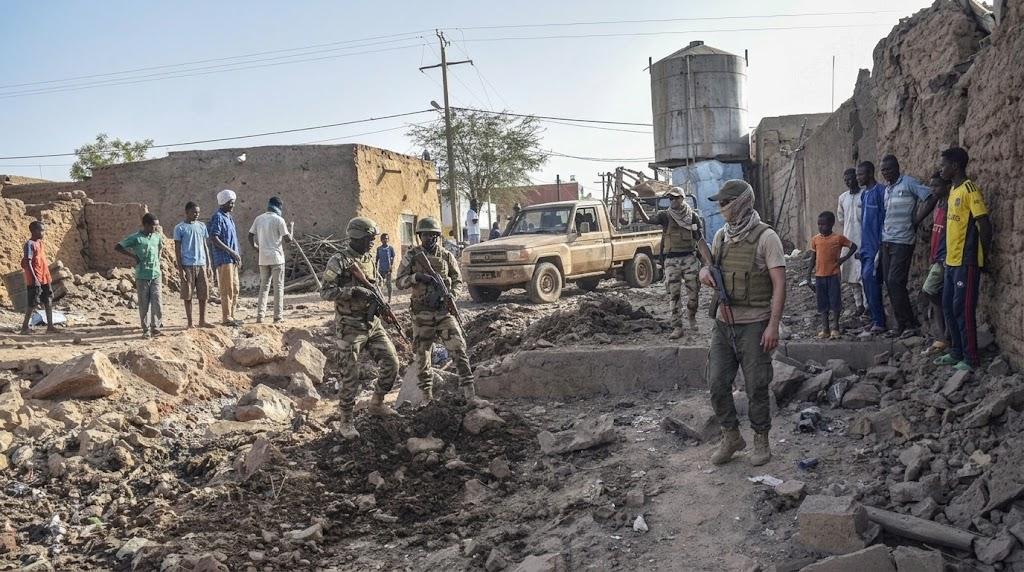
Residents and local leaders in Zanakoro, a village in the Ségou region, reported at least eight deaths—mostly women and children, including a pregnant woman and three girls under ten—following aerial bombardments on October 12, 2026. Survivors described the strikes as indiscriminate, occurring during a community baptism celebration. Homes were destroyed, families fled into nearby wilderness, and the death toll has been reported as high as ten by some sources.
The army’s October 14 statement did not explicitly link the incident to Zanakoro, nor did it acknowledge the village by name. Without independent verification or transparent investigation, the connection remains speculative—yet the timing has fueled speculation and anger. Families, now displaced and traumatized, demand to know why their village has been left in the dark.
Decades of documented abuses cast long shadow over operations
A growing body of evidence from international rights groups points to a pattern of grave violations linked to joint military operations involving Malian forces and foreign partners. Reports allege extrajudicial killings, torture, forced disappearances, and mass displacement—particularly among Fulani, Tuareg, and Arab communities accused, without verifiable evidence, of collaborating with armed groups.
In late September 2026, Amnesty International documented seven incidents between June 2023 and December 2025 along the Mauritanian border, involving 34 civilians allegedly executed, burned, or slaughtered. The report concludes that several cases may constitute war crimes and calls for independent investigations and accountability.
Africa Corps inherits Wagner’s legacy of violence
The withdrawal of the Wagner Group in 2025 and its replacement by Africa Corps—a Russian-led force under Moscow’s command—has done little to ease concerns. Since its deployment, Africa Corps has been directly implicated in at least one documented lethal operation: an aerial strike in Kyrnia (Mopti region) on June 15, 2026, reportedly killing eight civilians, including three children. Human Rights Watch concluded the attack showed indiscriminate targeting, as no clear military objective was identified near the strike zones.
Observers warn that without structural reform and external oversight, the transition from Wagner to Africa Corps risks perpetuating impunity rather than ending it.
Civilian protection under fire: can the state fulfill its duty?
While Mali faces real security threats from jihadist factions like the Group for the Support of Islam and Muslims (JNIM), military necessity cannot justify indiscriminate violence or the denial of civilian status. International humanitarian law demands that parties distinguish between combatants and non-combatants, minimize civilian harm, and conduct thorough, transparent investigations when violations occur.
The army’s admission of a tragic incident is a rare step toward transparency—but only if it leads to answers. Families deserve clarity on who died, how, and why. Villages like Zanakoro deserve the truth—not silence. And the Malian public deserves assurance that their protectors are not becoming perpetrators.
What’s next: truth, accountability, or more cover-ups?
The path forward is clear yet daunting. For the victims of Zanakoro and beyond, the priority is justice—not condemnation without evidence. For the military, it means opening independent inquiries, sharing findings, and cooperating with civilian oversight bodies. For the international community, it means supporting credible monitoring and insisting on adherence to legal standards.
Without these steps, the shadow of exactions will continue to grow. And with it, the erosion of public trust in the very institutions sworn to defend them.